The best hikes near Georgetown, TX, start with short riverside walks along the San Gabriel River for toddlers, move to Lake Georgetown’s Goodwater Loop sections for steady hikers, and top out at the full loop, roughly 26 miles, for the trail-hardened. At Scurlock Farms, our family has worked land beside the San Gabriel for more than 58 years. For a first outing, walk a shaded river path before 10 a.m. and carry water for everyone, including the dog.
Key Takeaways
- The easiest hikes near Georgetown are short, shaded riverside walks such as Blue Hole Park on the San Gabriel River, plus the private farm trails open to guests at Scurlock Farms.
- Lake Georgetown’s Goodwater Loop circles the reservoir for roughly 26 miles and works best as a series of out-and-back segments, not a single day.
- March through May and October are the most comfortable hiking months; in July and August, start at sunrise or skip the trail until evening.
- Flash flooding on the San Gabriel, winter cedar pollen, and summer heat shape Georgetown hiking far more than elevation gain does.
- The Palette Pad, a 520-square-foot rock home sleeping 2, gives hikers a river-view base; dogs are welcome off leash for a one-time $70 fee covering up to three pets.
Georgetown sits where Hill Country limestone gives way to the blackland prairie, so a single afternoon can take you from a shaded riverbank to a rocky lake bluff. That variety is the reason people searching for the best hikes near Georgetown in 2026 get such different answers: a parent with a two-year-old and a long-distance hiker need completely different trails.
This guide ranks Georgetown-area hikes by who can actually finish them, not just by a difficulty label. You will find six tiers, honest caveats for each, a season-by-season table, and the hazards that catch visitors off guard, from flash floods to cedar fever.
Trail details change with maintenance and weather. Where a distance or surface is not something we can verify, we say so and point you to the official source.
What Are Some Good Hikes in Georgetown, Texas?
Hiking in Georgetown, Texas, means limestone Hill Country terrain where trails follow the San Gabriel River, circle Lake Georgetown, or cross private farmland. The good hikes here fall into six tiers, ranked below from toddler-easy to trail-hardened. Lengths, surfaces, and closures shift with maintenance and flooding, so confirm current details with the Army Corps of Engineers before you drive.
| Tier | Hike | Best for | Effort | Main caveat |
|---|---|---|---|---|
| 1st | Private farm trails at Scurlock Farms | Toddlers, dogs, grandparents | Very easy | Guests only; cattle and open pasture mean little shade at midday |
| 2nd | Blue Hole Park riverside paths | Young kids, short outings | Easy | Summer weekend crowds; read posted water notices |
| 3rd | San Gabriel River Trail corridor | Beginners, school-age kids | Easy | Closes or floods after heavy rain |
| 4th | Brushy Creek Regional Trail | Strollers, bikes, long easy miles | Easy | Heads toward Round Rock; shade varies by segment |
| 5th | Goodwater Loop segments at Lake Georgetown | Steady hikers, teens | Moderate | Rocky limestone, shared with mountain bikes, limited water |
| 6th | Full Goodwater Loop | Trail-hardened hikers and runners | Hard | Roughly 26 miles; needs a water and bail-out plan |
We ranked on four factors: how fast you can bail out, how much shade you get, how exposed the route is to heat, and how far you are from water and a parking lot. Distance alone misleads in Central Texas. A 3-mile walk at 4 p.m. in August is harder than 8 miles on a March morning.
Which Georgetown Hikes Work Best for Toddlers?
A toddler-easy hike is a walk where you can turn around at any minute, find shade within a few steps, and be back at the car quickly. Three Georgetown-area options fit that definition: the private trails at Scurlock Farms, the riverside paths at Blue Hole Park, and the paved Brushy Creek Regional Trail toward Round Rock.
The farm’s trails wind through 172 acres of pasture, live oak, and a 20-acre pecan orchard, and the loudest crowd is the hens. When little legs give out, the free six-seat Polaris farm tour covers the rest. One honest caveat: The Palette Pad sleeps two, so families with children should ask about Rocky Overlook, a 2,500-square-foot home with room for a crew.
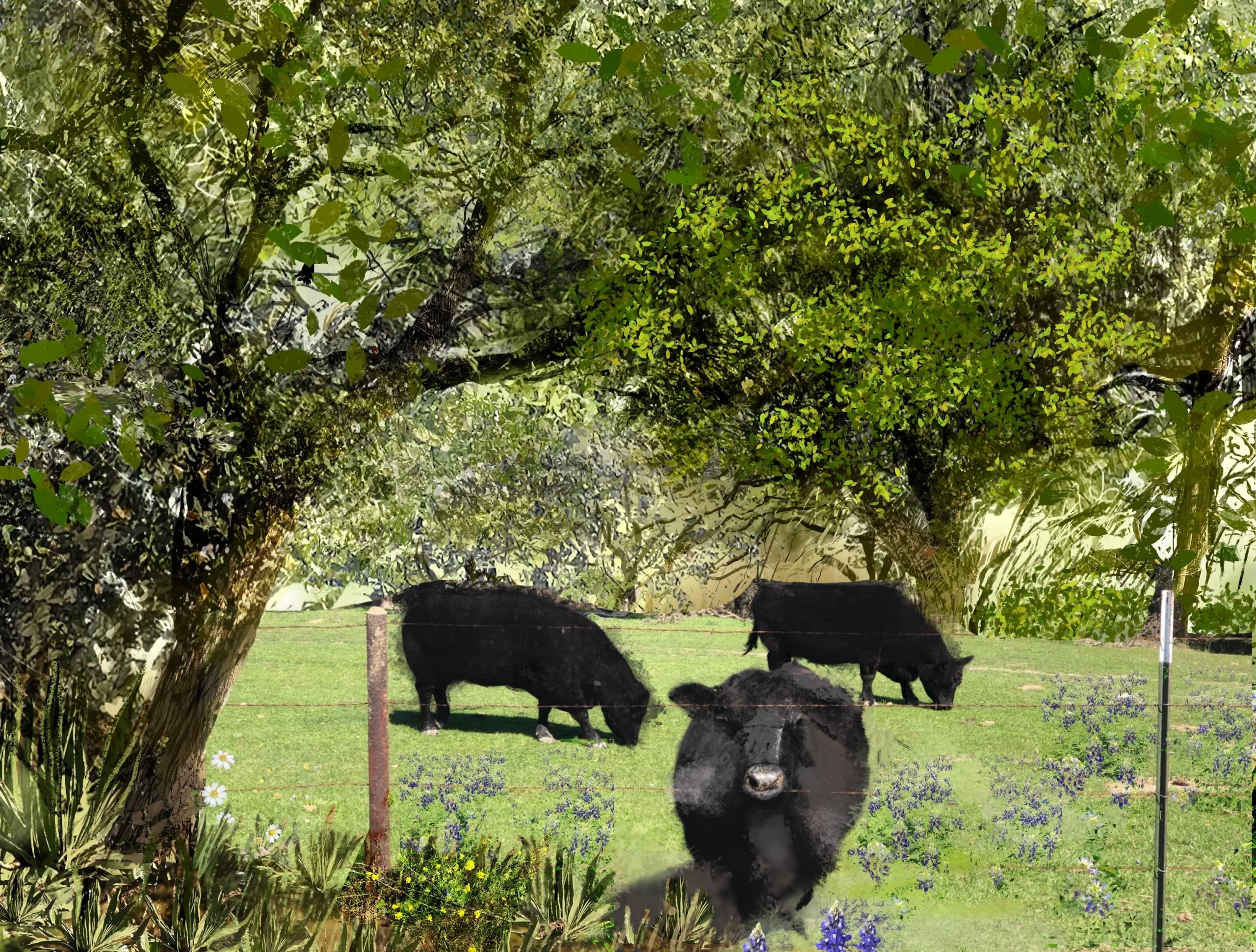
Blue Hole Park sits on the San Gabriel River close to downtown Georgetown. The city posts access, hours, and swimming or safety notices on its park page, so read them before toddlers get near the water. Weekday mornings are calm; summer weekend afternoons draw the biggest crowds.
Brushy Creek Regional Trail is the one option here where a stroller works without effort, because the surface is paved. Choose your segment from the trail map, since access points and shade differ along the route.
On natural-surface limestone trails, a soft carrier beats a stroller every time. Set your turnaround point at the first sign of fatigue, not at the planned destination. Pack more water than the toddler will drink, because the adults will finish it.
What Is the San Gabriel River Trail Like?
The San Gabriel River Trail refers to the riverside walking route through Georgetown’s parks, following the San Gabriel’s tree-lined banks within easy reach of town. It is the best first step up from a toddler stroll: still close to parking and restrooms, but long enough for a real morning outing with school-age kids or first-time hikers.
The appeal is shade and water. Mature trees overhang the banks, and the river’s moods change the walk: a slow green trickle in late-summer drought, a fast brown rush after storms. Go early, bring a hat anyway, and wear closed-toe shoes. Riverbank mud and limestone ledges punish flip-flops.
Flash flooding is the main hazard. Central Texas storms can raise the San Gabriel quickly, and low sections of trail can close without much notice. If the sky has darkened upstream, turn around even if it is dry where you stand.
On public land, leave fossils and artifacts where you find them. On our private stretch, guests can look for fossils and arrowheads along the limestone banks of the farm’s mile of river frontage, and Rocky Overlook sits a five-minute walk from the water. When the river runs low and calm, paddling is a gentle alternative; our guide to kayaking near Georgetown covers the launch spots.
What Hiking Trails Are Available at Lake Georgetown?
Lake Georgetown is a U.S. Army Corps of Engineers reservoir on the North San Gabriel River, west of town, and its shoreline holds the area’s longest hiking network. The Goodwater Loop trail circles the lake, with trailheads at several Corps-managed parks, so you can sample a short segment instead of committing to the whole thing.
The terrain is where Georgetown hiking turns moderate. Expect rocky limestone underfoot and juniper and oak cover, with sections that climb above the water for views across the lake. Shade is patchy, and surfaces can be loose after rain. Mountain bikers share the trail, so keep your group to one side and listen for bells.
Our advice for first-timers: pick one trailhead, hike out for an hour, and turn around. Out-and-back segments keep you near your car and your water. Skip the lake on summer afternoons; the rock radiates heat and the exposed stretches offer little relief.
Park entry or day-use fees may apply, and leash rules apply on public land. Check the Lake Georgetown page for current fees, trail status, and closures before you go. Trail conditions in 2026 can differ from last season’s blog posts, especially after wet spring weather.

What Is the Goodwater Loop Trail Distance and Difficulty?
The Goodwater Loop is a multi-use trail that circles Lake Georgetown for roughly 26 miles, shared by hikers, mountain bikers, and horseback riders. It rates moderate by segment and hard as a single push, which makes it the trail-hardened tier of the best hikes near Georgetown, TX.
Most hikers split it into sections over several outings. Completing the full circuit in a single day is an ultra-distance effort best left to experienced runners and long-distance hikers with a support plan. Confirm current segment lengths, trailhead access, and any closures with the Army Corps page before you commit.
Water is the planning problem. Do not count on refilling along the way, and never assume lake water is safe to drink untreated. In summer, plan on roughly a liter per person for every hour or two on the trail, and more if you are carrying a pack.
A realistic way to train for the loop is to chain segments. Hike one section out and back, then add an adjacent segment the next weekend. By the third outing you will know how your feet handle limestone and how much water your body actually needs in Texas heat.
What Should You Know About Heat, Floods, and Cedar Fever?
Georgetown hiking hazards are conditions that shift day to day: summer heat, flash floods on the San Gabriel and its creeks, winter cedar pollen, and the usual Hill Country crawlers. Elevation gain is minor here, so the weather and the water decide whether a hike is safe, not the climb.
Heat. Summer afternoons in Central Texas often push past 100 degrees Fahrenheit. Start at sunrise and finish by late morning. Learn the signs of heat illness, such as headache, dizziness, and cramping. Turn around early; nobody earns a medal for finishing in the afternoon sun.
Floods. Never cross a flowing creek or low-water crossing. Check river conditions and posted closures the morning you go, and remember that rain upstream can reach you under a blue sky.
Cedar fever. Ashe juniper, locally called cedar, releases heavy pollen in winter, typically December through February. Allergy sufferers should plan lake-trail hikes for other months or bring medication.
Ticks, snakes, and poison ivy. Stay on the trail, wear closed-toe shoes, and check clothing and pets after walking through grass. Watch where you place hands and feet on rocky ledges. These are routine Hill Country precautions, not reasons to skip the trail.
When Is the Best Time of Year to Hike Near Georgetown?
The best time to hike near Georgetown is March through May and again in October, when mornings are mild and the trails are at their most scenic. Winter is the best window for the long Goodwater Loop; midsummer is for early starts and river-shaded paths only.
| Months | Conditions | Best tiers | Watch for |
|---|---|---|---|
| March to May | Mild mornings, bluebonnets and other wildflowers, baby goats and calves on the farm | All six | Slick limestone after rain, weekend crowds at Blue Hole Park |
| June to August | Hot, with strong sun by mid-morning | 1st to 3rd, at sunrise | Heat illness, afternoon thunderstorms, low river |
| September to October | Heat eases; hay baling and pecan harvest on the farm | 3rd to 6th | Late heat spikes, shorter daylight by late October |
| November to February | Cool, clear days; ideal for long segments | 4th to 6th | Cedar pollen, early sunsets, cold mornings |
The calendar overlaps with lodging demand. According to AirROI’s Georgetown market data, March, October, and May are the peak short-term rental months, and average daily rates typically peak in April. AirDNA’s 2026 market data puts Georgetown’s average short-term rental occupancy at 59%, so spring weekends fill first.
On the farm, spring brings wildflowers and baby animals, late summer brings hay baling in the pasture, and fall brings the pecan harvest. We think October is the sweet spot: comfortable trail temperatures, lighter crowds, and a fire pit that finally feels good in the evening.
How Do You Plan a Hiking Weekend With a Farm Stay Base?
A hiking weekend near Georgetown is a two-day plan that pairs one morning trail with a rest-and-recover afternoon, then a longer outing on day two. Georgetown is about 30 minutes north of Austin, about 1.5 hours from San Antonio, and under three hours from Dallas and Houston, so most Texas visitors arrive in time for a Friday evening walk.
- Pick the tier for your slowest hiker. A group with a toddler belongs in tiers 1 to 3; a group of teens can try the Lake Georgetown segments.
- Check conditions that morning. Look at river levels, posted closures, and the forecast for storms upstream.
- Start early from May to September. Finish before the heat peaks, and save afternoons for shade, a cool drink, or a cave tour.
- Pack for limestone and sun. Closed-toe shoes, a hat, sunscreen, bug spray, and far more water than you expect to drink.
- Plan dinner before you hike. Good downtown tables fill on weekends.
- Book lodging early for spring and October. Pricing varies by season, so confirm current rates on the booking page.
For hot afternoons, Inner Space Cavern offers an underground alternative; confirm current tour options, hours, and prices on its site. For dinner, downtown Georgetown’s square has several reliable options. Monument Cafe is a Georgetown classic near downtown, Wildfire has a long local history and takes reservations, and City Post Chophouse serves a steak dinner in a historic building. Hours change, so check before you drive.
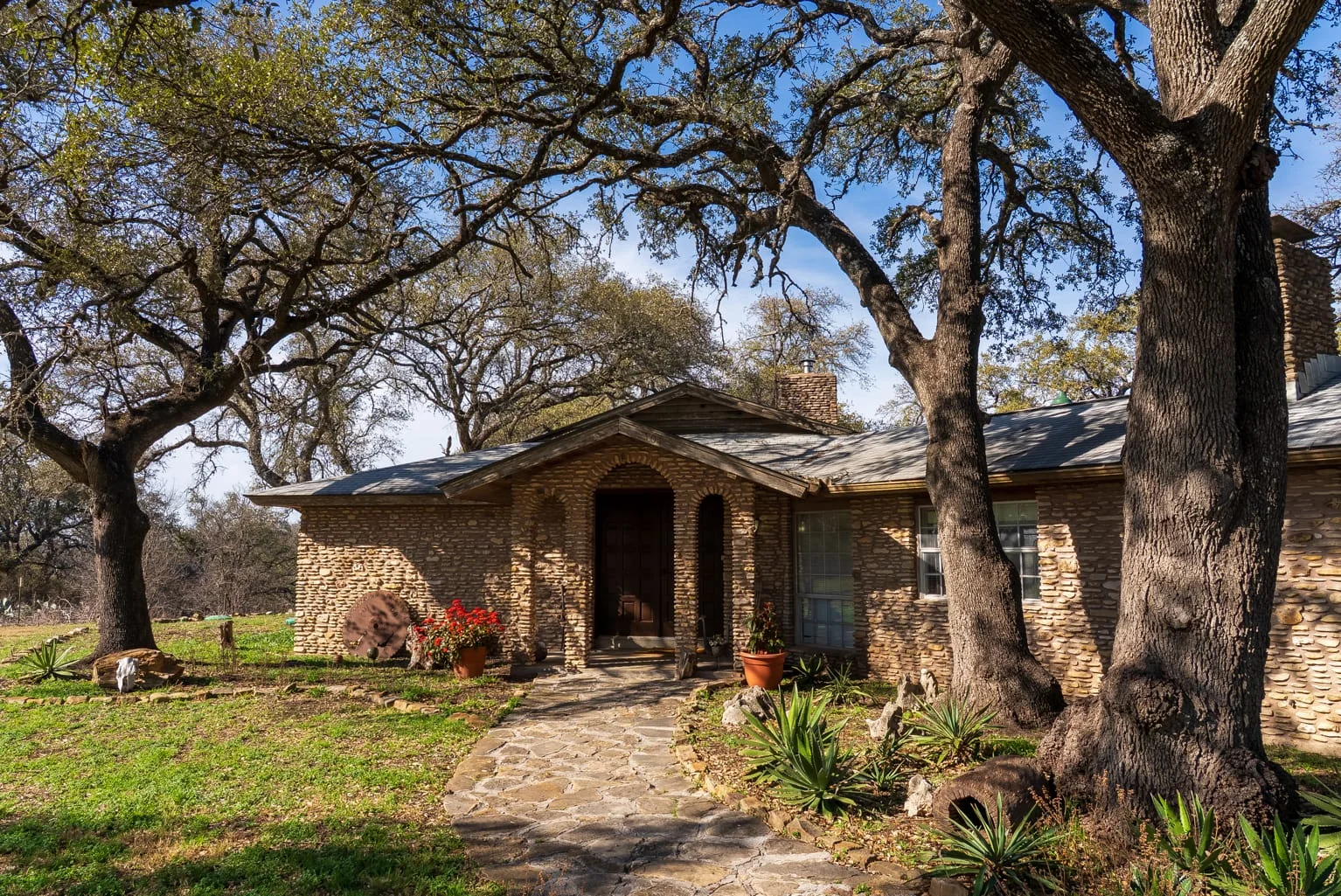
Our guests who plan hiking-focused weekends often choose this 520-square-foot rock home: a wall of windows overlooks the river bottom, and the fireplace, fire pit, and BBQ grill handle the evenings. Sheron, who has lived on the farm for more than 50 years, and David run the place personally. If you want more on how a stay works, our page on a boutique farm stay in Central Texas covers it.
Dogs are welcome off leash on the farm’s trails. The pet fee is a one-time $70 covering up to three pets; cats are not permitted because of family allergies. Public trails around Georgetown generally require leashes, so check posted rules before bringing your dog to Lake Georgetown or city parks.
What Mistakes Should You Avoid on Georgetown Trails?
The most common mistakes on Georgetown trails are timing errors and gear errors, and every one of them is avoidable. These are the five we see most often.
- Starting at noon in summer. The same trail is comfortable at 7 a.m. and punishing at 1 p.m.
- Trusting an old distance. Trail segments get rerouted, flooded, or closed; verify on the official page.
- Bringing a stroller to limestone. Use a carrier, or choose a paved route.
- Wearing flip-flops to the riverbank. Wet ledges and loose rock need real shoes.
- Letting a dog drink standing water. Warm, stagnant pools can be unsafe; carry a collapsible bowl and fresh water.
Weather is the final variable. A calm forecast for Georgetown does not guarantee a calm river, so treat flood warnings as binding.
Frequently Asked Questions
Are there any cabins or vacation rentals available in Georgetown, Texas?
Scurlock Farms offers two private guest homes on its 172-acre working farm in Georgetown: The Palette Pad, a 520-square-foot rock cabin with one bedroom and one bathroom for up to 2 guests, and Rocky Overlook, a 2,500-square-foot home five minutes on foot from the San Gabriel River. Availability changes daily, so check current dates on the booking page for The Palette Pad and contact Sheron and David directly about Rocky Overlook. Booking direct avoids OTA service fees.
Where should you eat in Georgetown, TX after a hike?
Downtown Georgetown’s square is the easiest place to eat after a hike. Monument Cafe is a longtime local classic, Wildfire has a long history and takes reservations, and City Post Chophouse operates in a historic building. Hours and menus change, so check each restaurant’s website first.
What are the easiest hikes near Georgetown for beginners?
The easiest hikes near Georgetown are the riverside paths at Blue Hole Park, the San Gabriel River Trail corridor, and the private trails at Scurlock Farms for guests. All three offer shade and short outings, with quick access back to the car. Start before 10 a.m. in warm months.
What is the Goodwater Loop trail distance and difficulty?
The Goodwater Loop circles Lake Georgetown for roughly 26 miles. It is moderate by segment, with rocky limestone and shared use by mountain bikers, and hard as a single continuous effort. Confirm current segment lengths and closures with the Army Corps of Engineers page.
Can you bring a dog hiking near Georgetown?
Yes, but rules vary by location. Public trails around Georgetown and Lake Georgetown generally require leashes. At Scurlock Farms, dogs are welcome off leash on the farm’s trails; the pet fee is a one-time $70 covering up to three pets, and cats are not permitted due to family allergies.
What is the best time of year to hike near Georgetown?
March through May and October are the best months, with mild mornings and, in spring, wildflowers. Winter suits long segments but brings cedar pollen. In July and August, hike at sunrise or choose shaded riverside paths.
Which of the Best Hikes Near Georgetown Should You Start With?
Start with the tier that matches your youngest or slowest hiker, then climb the ranking over several trips. Toddlers belong on shaded riverside walks and farm trails, beginners on the San Gabriel corridor, and strong hikers on Goodwater Loop segments, with the full roughly 26-mile circuit reserved for the trail-hardened. The best hikes near Georgetown reward early starts, a close read of closures, and more water than seems necessary.
Whether you plan a quiet weekend for two or a family trip built around the river, Georgetown’s mix of small-town ease and open Hill Country land makes it an easy escape from Austin, Dallas, or Houston. Scurlock Farms has spent more than 58 years learning what makes a stay here feel like a visit to family land. The 2026 season is the right time to build that trip.

If a river-view base sounds right after a day on the trail, check availability at The Palette Pad and let the fireplace do the recovery work. Every night booked also sends $1 to The Caring Place Food Pantry.
Content powered by inkSTR.co
Views: 0




Leave a Reply