The best things to do in Austin, TX start outdoors and downtown. Walk or bike the 10-mile Ann and Roy Butler Hike-and-Bike Trail at Lady Bird Lake, climb the stone steps of Mount Bonnell, and tour the pink granite Texas State Capitol for free. Then end the night with live music and brisket.
Key Takeaways
- Visit Austin describes the Butler Hike-and-Bike Trail at Lady Bird Lake as a 10-mile shoreline route with skyline views, making it the strongest first stop for most visitors.
- Free options include guided tours of the Texas State Capitol and the Texas Governor’s Mansion (the Mansion requires advance reservations).
- Zilker Park covers 360 acres, and the Barton Creek Greenbelt adds swimming holes and limestone trails that change with water levels.
- Group attractions by neighborhood: downtown and the Capitol on one day, Zilker and the Greenbelt on another, South Congress and murals on a third.
- Texas recorded $97.5 billion in direct travel spending in 2026, so popular Austin attractions fill quickly; reserve timed-entry museums and book dinner ahead.
- Scurlock Farms in Georgetown offers a quiet, farm-based home base about 30 minutes north of Austin, outside the downtown hotel crush.
Austin rewards visitors who plan by area instead of by checklist. The city sprawls, traffic on I-35 can double a short drive, and the most popular attractions fill up on weekends. This guide covers ten picks with timing and honest caveats, then lays out 2-day and 3-day plans for 2026.
At Scurlock Farms, we host guests from Austin staycationers to visitors from 30 countries on our family’s 172-acre working farm in Georgetown. Sheron and David run the property personally, and the first question guests ask is almost always what to do in Austin and how to avoid wasting a day in traffic. These answers come from that pattern.
Many guests tell us the best Austin trips split time between the city and the quiet country just north of it. We cover that too, near the end.
What Are the Best Things to Do in Austin TX for First-Time Visitors?
First-time visitors to Austin should prioritize the Lady Bird Lake trail, the Texas State Capitol, Zilker Park, Mount Bonnell, a live music venue, and a barbecue meal. These six anchors cover the outdoors, history, and food that Austin is known for, and most sit within a short rideshare of downtown.
The table below compares the main picks. Cost cells say “check current pricing” where this guide cannot verify a figure, because ticket prices and hours change; confirm them on each official site before you go.
| Attraction | Best for | Cost and reservations | Best timing |
|---|---|---|---|
| Butler Hike-and-Bike Trail | Skyline views, walking, biking | Free to use | Early morning or near sunset |
| Zilker Park and Barton Creek Greenbelt | Swimming holes, open space | Park access is free; check current pricing for paid features | Spring and fall; summer mornings |
| Mount Bonnell | Lake Austin views | Check current pricing and parking rules | Late afternoon |
| Texas State Capitol | History, architecture | Free guided tours | Weekday mornings |
| Bullock Texas State History Museum | Families, Texas history | Timed-entry tickets; check current pricing | Weekday mornings |
| ACL Live at The Moody Theater | Live music | Varies by show | Evenings |
| Blanton Museum of Art | Art lovers | Advance tickets required | Midday heat escape |
Visit Austin, the official tourism organization, publishes a broader things to do in Austin guide that is worth bookmarking for current event listings.
1. Is the Lady Bird Lake Hike-and-Bike Trail the Best Way to Start Your Trip?
The Ann and Roy Butler Hike-and-Bike Trail is a 10-mile route along the Lady Bird Lake shoreline, described by Visit Austin as offering panoramic skyline views. It is free, open to walkers, runners, and cyclists, and the easiest way to see downtown Austin without a car.
You do not need to cover all 10 miles. A short out-and-back stretch near downtown gives you the skyline and the water, and you can rent a kayak or paddleboard from a lake outfitter if you want the view from the surface.
Go early. In the morning you hear gravel crunching under bike tires and see mist lifting off the water. By midday in summer the trail has little shade, and by late afternoon it fills with runners and families. Bring water, because refill points are not guaranteed on every stretch.
2. Why Do Zilker Park and the Barton Creek Greenbelt Belong on Every List?
Zilker Park is a 360-acre urban park that holds Zilker Botanical Garden and trails leading toward the UMLAUF Sculpture Garden and Museum. Nearby, the Barton Creek Greenbelt offers limestone trails and swimming holes, which makes the two together the strongest outdoor combination in the city.
On the Greenbelt, Gus Fruh is known for a swimming hole and the limestone Urban Assault climbing wall. Twin Falls and Sculpture Falls are the other names you will see repeated by local guides.
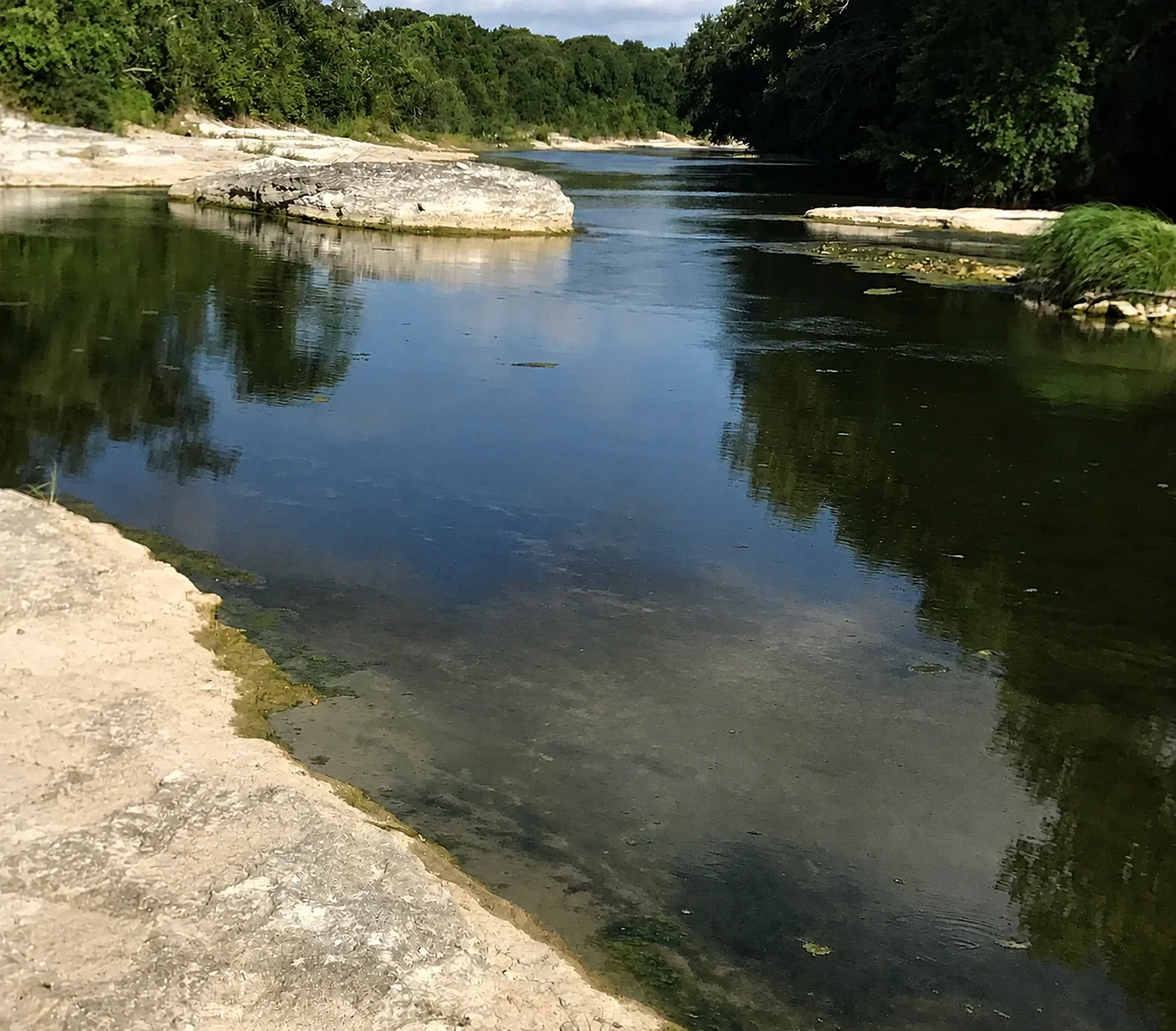
Here is the honest caveat: water levels change. After a dry stretch, a swimming hole can shrink to a puddle, and after heavy rain, creek crossings become unsafe. Check conditions the morning you go, wear shoes with grip instead of flip-flops, and expect pale, uneven limestone underfoot that gets slick when wet.
3. What Makes Mount Bonnell Worth the Climb?
Mount Bonnell is a Lake Austin landmark reached by stone steps, and Visit Austin notes it has been a popular overlook since the 1850s. The payoff is a wide view over the lake and the surrounding hills for the cost of a short, steep climb.
Plan it for late afternoon, when the light softens and the heat eases. Because the route is stone stairs, it is a poor fit for anyone with limited mobility or a stroller; the Capitol grounds or the lakeside trail are better substitutes.
Parking at popular overlooks fills up on weekends, so arrive before the sunset crowd or use a rideshare.
4. Are the Texas State Capitol and Governor’s Mansion Really Free?
The Texas State Capitol, built of pink granite, offers free guided tours through the Capitol Visitors Center. The Texas Governor’s Mansion, built in 1854, also offers free guided tours, though it requires advance reservations that you should make before you arrive.
The Capitol is the best rainy-day or midday-heat option downtown, and it takes well under half a day with a tour. Inside, the rotunda is cool and echoing, a welcome change from the sidewalk heat. Weekday mornings are generally calmer than weekends.
Nearby, the Brush Square Museums include the O. Henry Museum, located in the short-story writer’s former residence, and the limited-entry Susanna Dickinson Museum, which honors the only Anglo adult survivor of the Battle of the Alamo. Because entry is limited, confirm hours before walking over.
5. Is the Bullock Texas State History Museum Worth a Rainy Morning?
The Bullock Texas State History Museum has three floors of interactive exhibits, a Texas Spirit Theater, an IMAX Theatre, and The Star Cafe. It is the best single indoor stop for understanding why Texas history is told the way it is.
The museum uses timed-entry tickets because capacity is limited, so book ahead for weekends and school holidays. Families with children usually do well here, since the exhibits are built to be touched and explored.
Pair it with the Capitol on the same morning; the two are close enough to walk between, and together they make a tidy half-day of Texas history.
6. Where Should You Go for Live Music in Austin?
ACL Live at The Moody Theater is the venue named for the Austin City Limits television series, which was filmed there. It hosts artists across genres and offers behind-the-scenes tours, so even a day with no show on the calendar can fit in a visit.
For a different feel, the Paramount Theatre is a 110-year-old downtown venue that doubles as a movie theater. Check the calendar for classic film screenings and touring performers.
Austin music does not only mean a dive bar on a Saturday night. Weeknights often have strong lineups with easier entry, shorter lines, and quieter rooms. Rideshare prices can surge after big shows let out, so walk a few blocks away before you request a ride.
7. Which Austin Barbecue Joints Deserve the Wait?
Austin barbecue means slow-smoked brisket, ribs, and sausage, and the city’s best-known names include Franklin BBQ, Interstellar BBQ, Stiles Switch, and Salt Lick. Brisket is the benchmark order at any of them. Expect a peppery black bark, fat that melts on the tongue, and smoke in your clothes for the rest of the day.
Franklin BBQ has a reputation for long lines, so go with a flexible schedule and a folding chair mindset instead of squeezing it between other plans. Salt Lick is known for its country setting outside the city, which makes it a natural stop if you head toward the Hill Country.
Hours, menus, and sell-out times change, and these places can run out of meat early. Check each pitmaster’s current hours before you commit your lunch to one.
8. What Are the Best Austin Museums and Galleries for Art Lovers?
The Blanton Museum of Art is the University of Texas museum whose building features Ellsworth Kelly’s Austin, a stone structure with brightly colored glass windows. Advance tickets are required, so reserve before you arrive.
The Harry Ransom Center, also at the University of Texas, holds cultural archives that include the first photograph. For sculpture in a garden setting, The Contemporary Austin at Laguna Gloria and the UMLAUF Sculpture Garden and Museum pair well with a slow outdoor afternoon.
Museums are the smartest answer to a 100-degree afternoon. Build them into the hottest hours of your day and save the trails for morning and evening.
9. Where Can You Find Austin’s Famous Murals and South Congress?
South Congress Avenue is the shopping and people-watching strip south of downtown, and it holds the “I love you so much” mural painted on the wall of Jo’s Coffee. Expect a line of people waiting for the photo, especially on weekend afternoons.
Near the University of Texas campus, the “Hi, How Are You” mural depicts Jeremiah, a bug-eyed bullfrog originally drawn by outsider folk artist Daniel Johnston. Visit it in the morning for clear light and fewer people.
Austin is famous for much beyond live music. These murals, the barbecue, the bat-watching season on the bridge downtown (generally spring through fall), and the outdoor swimming culture make up the local identity.
10. What Are the Best Family and Adventure Stops?
Thinkery is Austin’s children’s museum, listed as open Tuesday through Sunday, and it is the most reliable rainy-day stop for young kids. Because it is closed Mondays, plan around that before you arrive.
For adventure, Lake Travis Zipline Adventures has five ziplines, including one it describes as the longest in Texas. Maverick Horseback Riding offers a slower, more scenic option for riders of different experience levels.
Both adventure operators are weather-dependent and have their own age, weight, and safety requirements. Check their official policies and book ahead for weekends, especially in spring and fall.
What Is Austin, TX Best Known For?
Austin, TX is best known for live music, barbecue, and outdoor life centered on Lady Bird Lake, Zilker Park, and the Barton Creek Greenbelt. It is also the state capital, so Texas history and government anchor much of the downtown visitor experience.
Texas recorded $97.5 billion in direct travel spending in 2026, up 3.5% from 2023, according to figures cited by the Governor’s office. That demand means Austin’s top spots are busy, and planning ahead is not optional on weekends.
What Free Things Can You Do in Austin?
Free things to do in Austin include walking the Butler Hike-and-Bike Trail, touring the Texas State Capitol, visiting Zilker Park, and photographing the city’s murals. The Texas Governor’s Mansion also offers free tours with advance reservations.
Free does not always mean cost-free. Parking, rideshares, and swimming-hole gear all add up, so budget for transportation even when admission costs nothing.
What Should You Do in Austin for a 2-Day Trip?
A 2-day Austin trip works best split by area: spend the first day downtown and the second outdoors. This avoids crossing the city repeatedly, which is the most common way visitors lose hours to traffic.
- Day one, downtown: Capitol tour in the morning, the Bullock Texas State History Museum next, an afternoon walk on the Butler Trail, then dinner and a show at ACL Live at The Moody Theater or the Paramount Theatre.
- Day two, outdoors and food: Zilker Park and the Greenbelt in the morning, barbecue for lunch, Mount Bonnell in the late afternoon, and South Congress for the evening.
Start early on both days and keep one flexible block for rain or heat.
What Should You Do for 3 Days in Austin?
For 3 days in Austin, keep the two plans above and add a day for museums, the University of Texas area, and one adventure outing. The extra day lets you slow down instead of rushing between neighborhoods.
- Morning: the Blanton Museum of Art with a pre-booked ticket, then the Harry Ransom Center.
- Midday: the “Hi, How Are You” mural and lunch near campus.
- Afternoon: Laguna Gloria or the UMLAUF Sculpture Garden, or a zipline outing at Lake Travis.
If you have kids, swap in Thinkery on any day it is open.
How Do You Handle Heat, Rain, and Accessibility in Austin?
Austin’s summer heat is the main planning variable. Schedule trails and swimming for early morning, then move to the Capitol, the Bullock Texas State History Museum, or the Blanton Museum of Art between roughly noon and 4 p.m.
Spring brings wildflowers and pollen, so allergy sufferers should pack medication. After heavy rain, skip the Greenbelt, since creek crossings and swimming holes can be unsafe.
For mobility and stroller needs, confirm accessibility with each venue before going. Mount Bonnell’s stone steps and the Greenbelt’s natural terrain are the two spots to avoid if walking is difficult.
Parking near downtown attractions often costs extra and fills on weekends. A rideshare or a base outside the center removes most of that stress.
Why Stay Near Austin in Georgetown Instead of Downtown?
Georgetown, TX is a Texas Hill Country town about 30 minutes north of Austin in light traffic, and it gives you a quieter base than downtown. I-35 congestion can lengthen that drive, so plan on more time during rush hour.
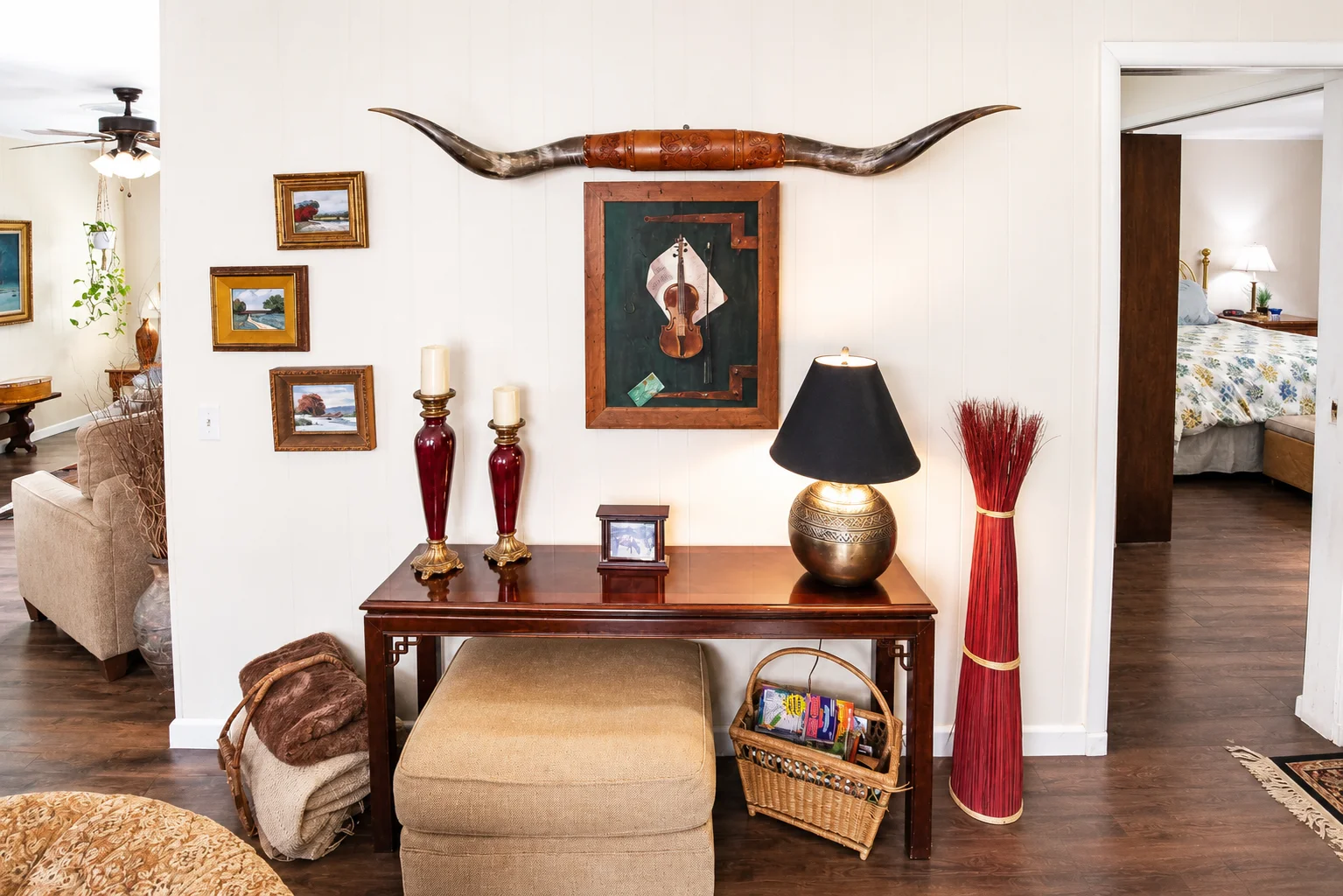
The farm itself is part of the stay. The Palette Pad is a 520-square-foot rock home with one bedroom and one bathroom, built as the studio of artist C. P. Montague, Sheron’s mother. Its wall of windows overlooks the river bottom, and it sleeps up to 2 guests, so it suits couples best.
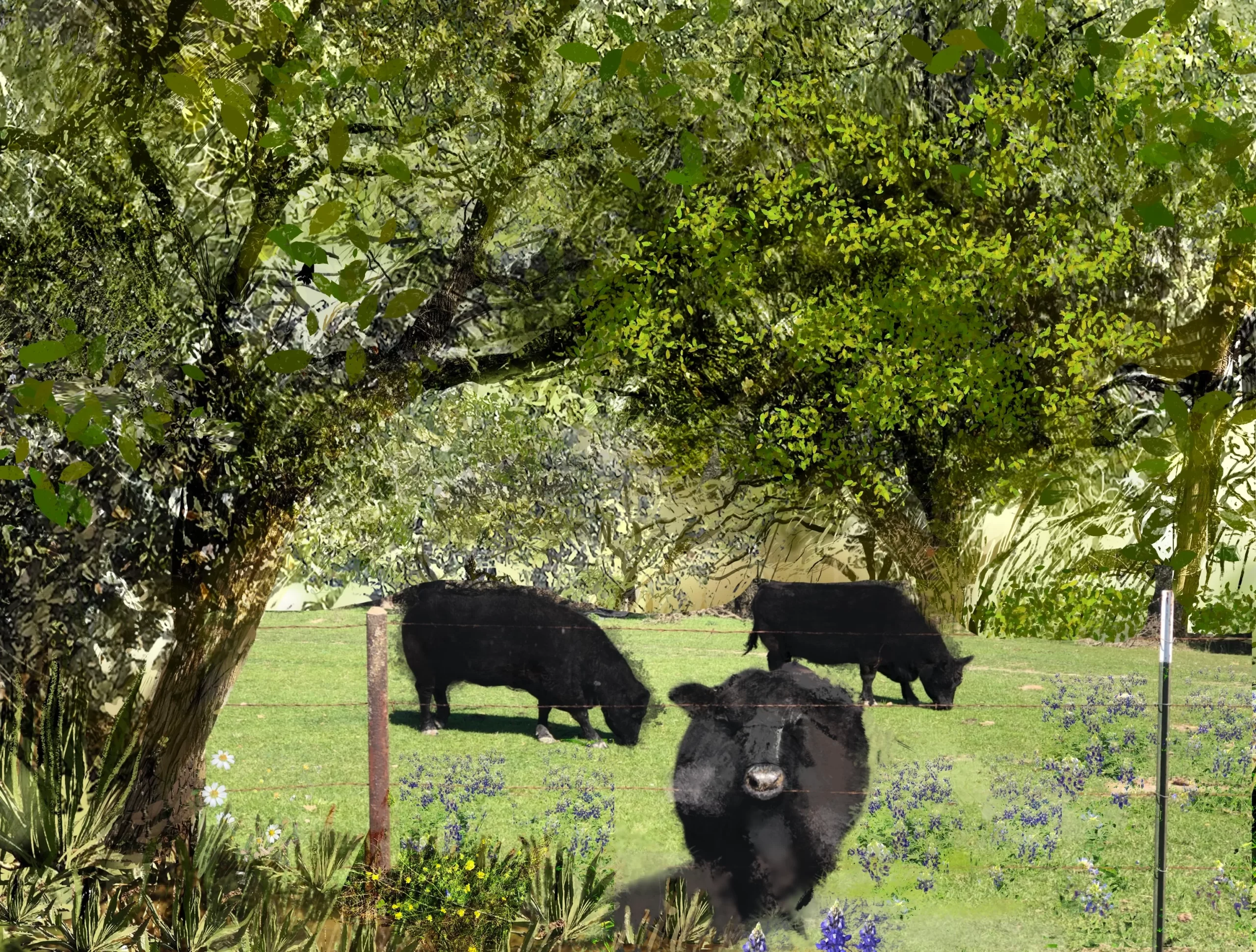
Families and bigger groups should look at Rocky Overlook, a spacious 2,500-square-foot home about a five-minute walk from the river. Guests should inquire directly about Rocky Overlook availability. Both homes sit on 172 acres with a full mile of San Gabriel River frontage.
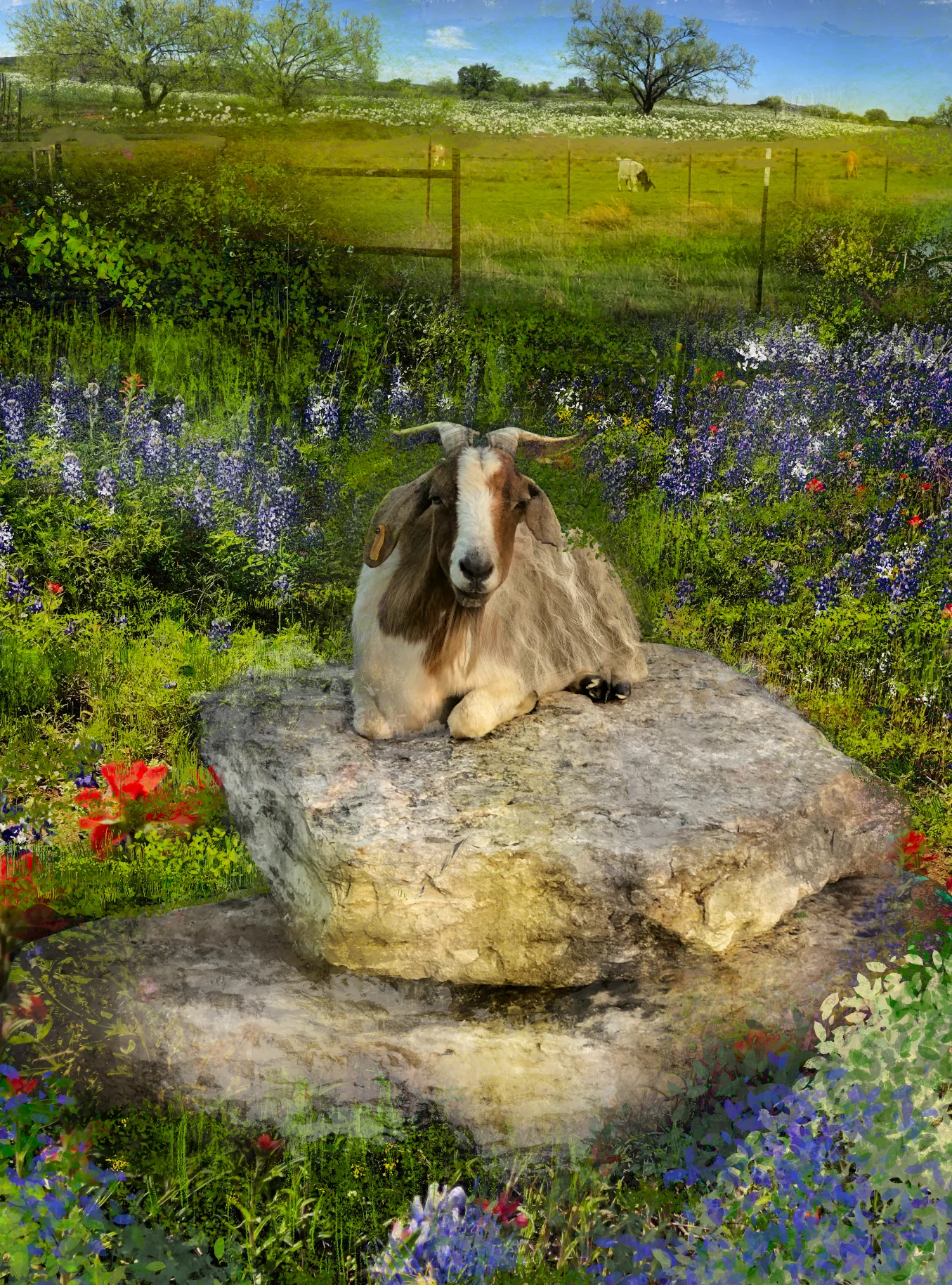
If you bring a dog, the pet fee is a one-time $70 for up to three pets, and dogs are welcome off leash. Cats are not permitted because of family allergies.
After a long Austin day, you can also look at nearby Georgetown. Pick from Blue Hole Park, a show at the Georgetown Palace Theatre, a tour of Inner Space Cavern, or time on Lake Georgetown. If paddling appeals to you, see our guide to kayaking near Georgetown.
Georgetown is no longer a sleepy stop either. AirDNA data shows short-term rentals in Georgetown averaging a 59% occupancy rate, which tells you the market is busy, so booking your dates early is wise.
How Do You Choose Between Staying in Austin and Staying in Georgetown?
Stay downtown if your plan is mostly nightlife and late concerts, since you can walk to venues. Stay in Georgetown if you want quiet mornings, farm animals, river time, and lower stress after a full city day.
The trade-off is the drive. You will rely on a car, and on late-night shows you should factor in the 30-plus minute trip home. For daytime plans like trails, museums, and barbecue, the commute is easy.
Booking direct with Sheron and David means no OTA service fees are added at checkout, and $1 from every night booked goes to The Caring Place Food Pantry. Check seasonal pricing on the booking page, since rates vary.
Frequently Asked Questions
What are the best things to do in Austin, TX in 2026?
The best things to do in Austin in 2026 include the Butler Hike-and-Bike Trail at Lady Bird Lake, Zilker Park and the Barton Creek Greenbelt, Mount Bonnell, the Texas State Capitol, live music at ACL Live at The Moody Theater, and barbecue. Reserve timed-entry museums like the Bullock Texas State History Museum ahead.
What are Austin’s most popular tourist attractions?
Austin’s most popular attractions are Lady Bird Lake, Zilker Park, the Texas State Capitol, the Bullock Texas State History Museum, South Congress Avenue, and live music venues such as ACL Live. Barbecue joints like Franklin BBQ and Salt Lick are also major draws.
What can you do in Austin for free?
You can walk the 10-mile Butler Hike-and-Bike Trail, tour the Texas State Capitol, visit Zilker Park, and see the city’s murals for free. The Texas Governor’s Mansion also offers free guided tours, but it requires advance reservations.
What outdoor activities are available in Austin?
Outdoor options include hiking and biking at Lady Bird Lake, swimming holes on the Barton Creek Greenbelt, the stone steps at Mount Bonnell, ziplining at Lake Travis Zipline Adventures, and horseback riding with Maverick Horseback Riding. Check water levels and weather first.
What is Austin famous for besides live music?
Austin is also famous for barbecue, its outdoor swimming and trail culture, the Texas State Capitol, and public art such as the “I love you so much” mural on South Congress. Its museums and university cultural sites round out the picture.
Where is the best place to stay near Austin for a quiet farm stay?
Scurlock Farms is a family-owned working farm stay on 172 acres in Georgetown, about 30 minutes north of Austin, with one mile of San Gabriel River frontage and two guest homes, The Palette Pad and Rocky Overlook. Sheron and David run it personally, and booking direct avoids OTA fees.
Is Scurlock Farms pet friendly?
Yes, dogs are welcome off leash at Scurlock Farms, with a one-time $70 fee that covers up to three pets. Cats are not permitted because of family allergies.
How far is Georgetown from Austin?
Georgetown is about 30 minutes north of Austin in light traffic. Allow extra time during rush hour on I-35, and more if you are heading to a late evening show downtown.
What Is the Easiest Way to Plan the Best Things to Do in Austin TX?
The best things to do in Austin TX come together when you group them by area, start early, and book timed-entry tickets in advance. Anchor each day with one outdoor stop, one cultural stop, and one meal you planned around.
Keep the Lady Bird Lake trail, the Capitol, Zilker Park, Mount Bonnell, live music, and barbecue as your core, then add museums or adventure stops based on who is traveling. In 2026, with record Texas tourism spending still driving crowds, a quieter base outside downtown makes the whole trip easier, and a few days on a working farm along the San Gabriel River is a good way to reset between city days.
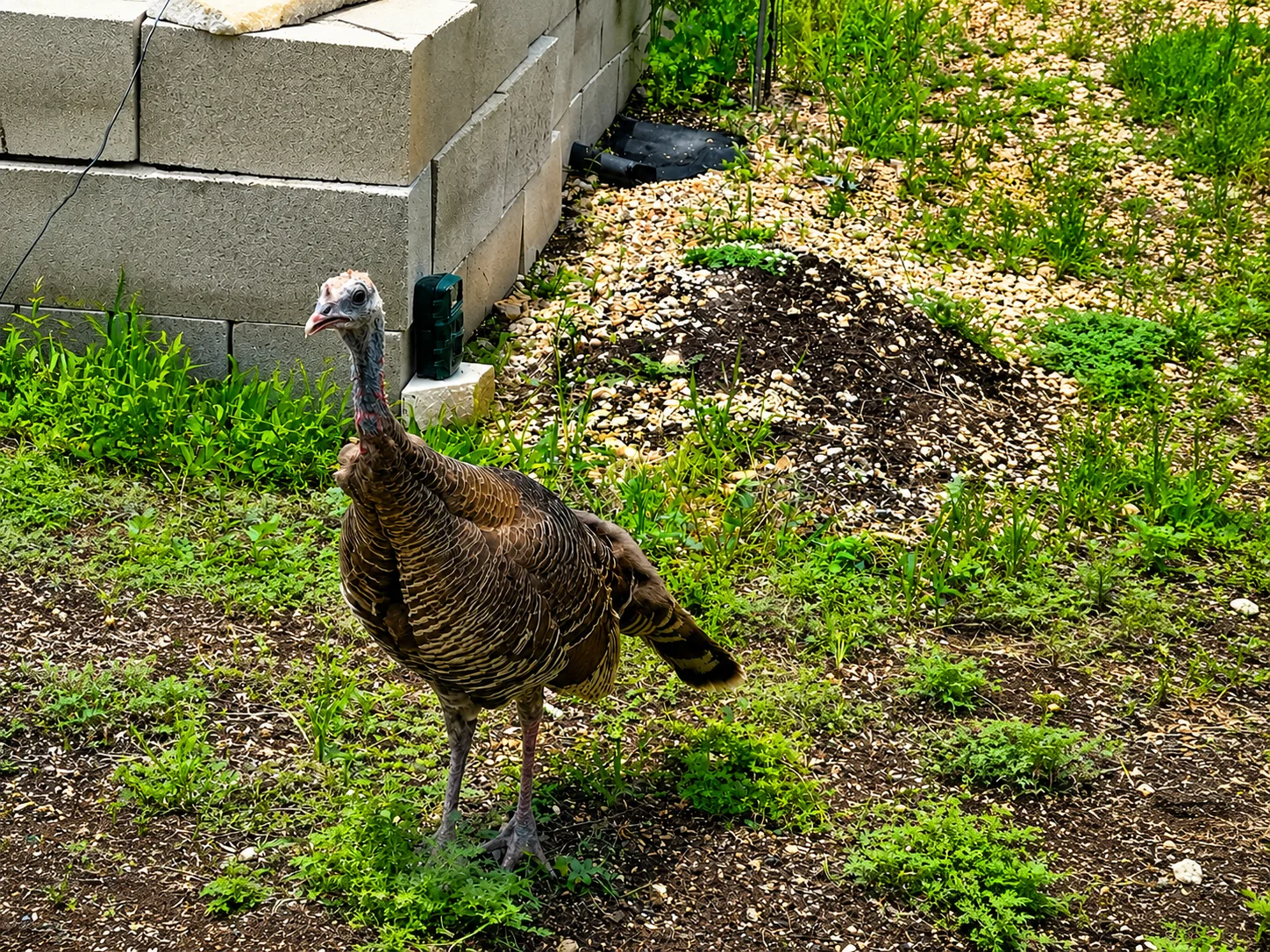
If a working farm along the San Gabriel River sounds like your kind of weekend, Sheron and David would love to host you. Reserve The Palette Pad directly here, or learn more about the farm stay in Central Texas.
Content powered by inkSTR.co
Views: 0




Leave a Reply